March 24, 2026
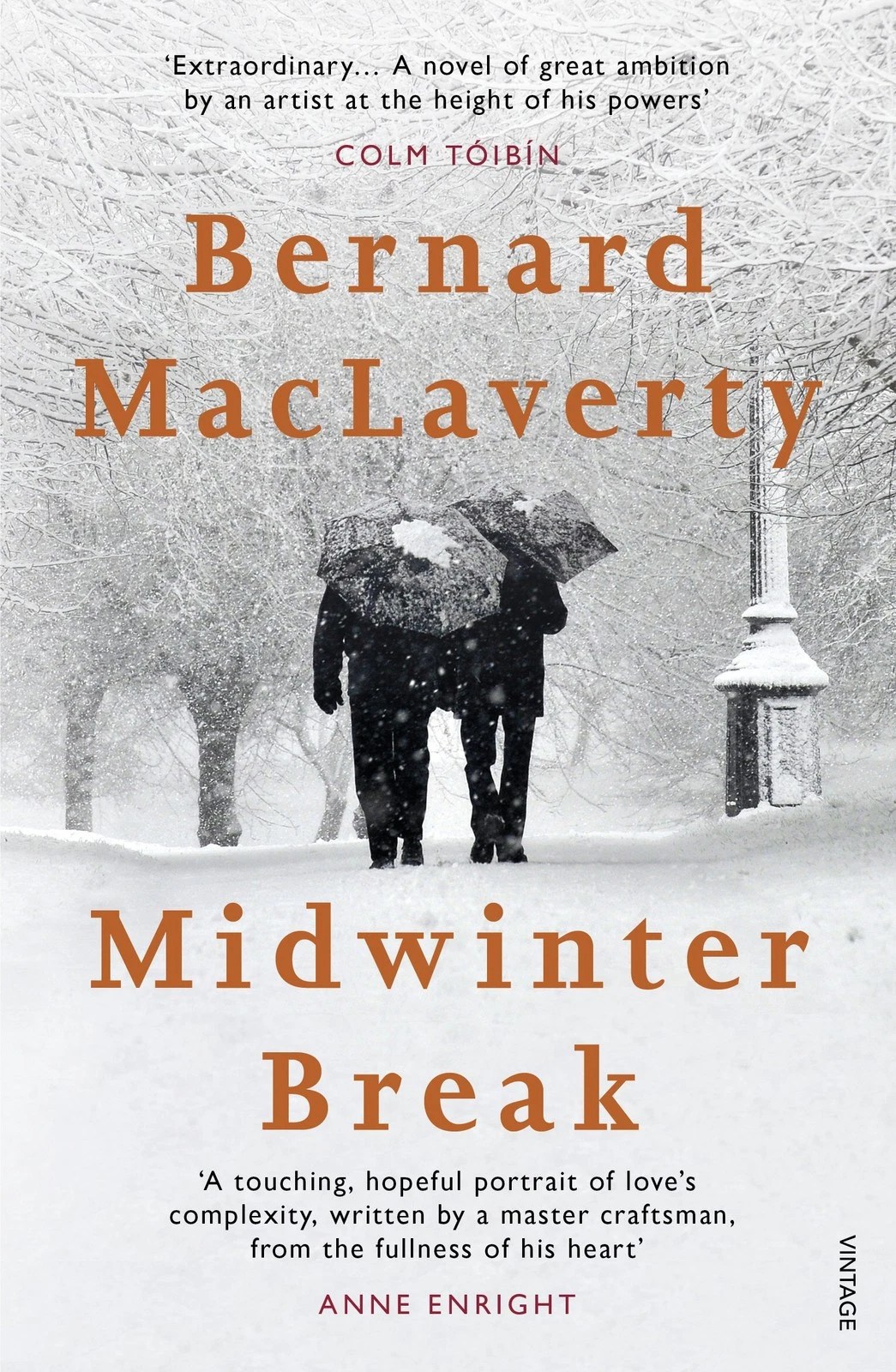
A fine novel. McLaverty follows a retired couple through a weekend break in Amsterdam. The husband has a drink problem, his wife wants to break free and live alone. But how can she? The novel dissects their troubled relationship, the deep bond between them, and their struggle with the differences that threaten to tear them apart.
February 23, 2026
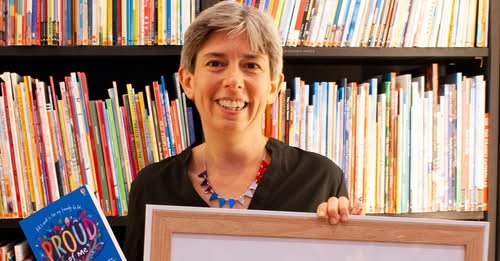
I went with Phil on Saturday to Cambridge Central Library to hear Sarah Hagger-Holt speak about her novel The Fights That Make Us, which is aimed at a young LGBTQ+ readership, but should appeal to a wider readership. Sarah is an experienced and engaging speaker and ‘sold’ her novel well – so we bought a copy! I mean how could we resist a book with a blurb that begins Maybe there was a place in history for people like me, not on the edges of the story, but right at the centre.
January 13, 2026
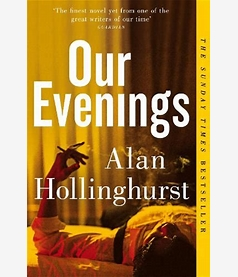
I’m not a fan of the New Year Honours, but if we have to have them, I’d rather they went to writers and artists than political donors. So step forward Sir Alan. I enjoyed this more than any of his other novels, being wider in social range, warmer in tone, even at times tender. The Oxbridge types are here, of course, but scattered among actors, villagers, and a touching portrait of a loving lesbian couple. The Line of Beauty might turn out to be his crowning achievement, but that novel is sharply, even savagely, satirical. This covers some of the same territory in the figure of Giles, the Tory politician, but is generally mellower.
December 10, 2025
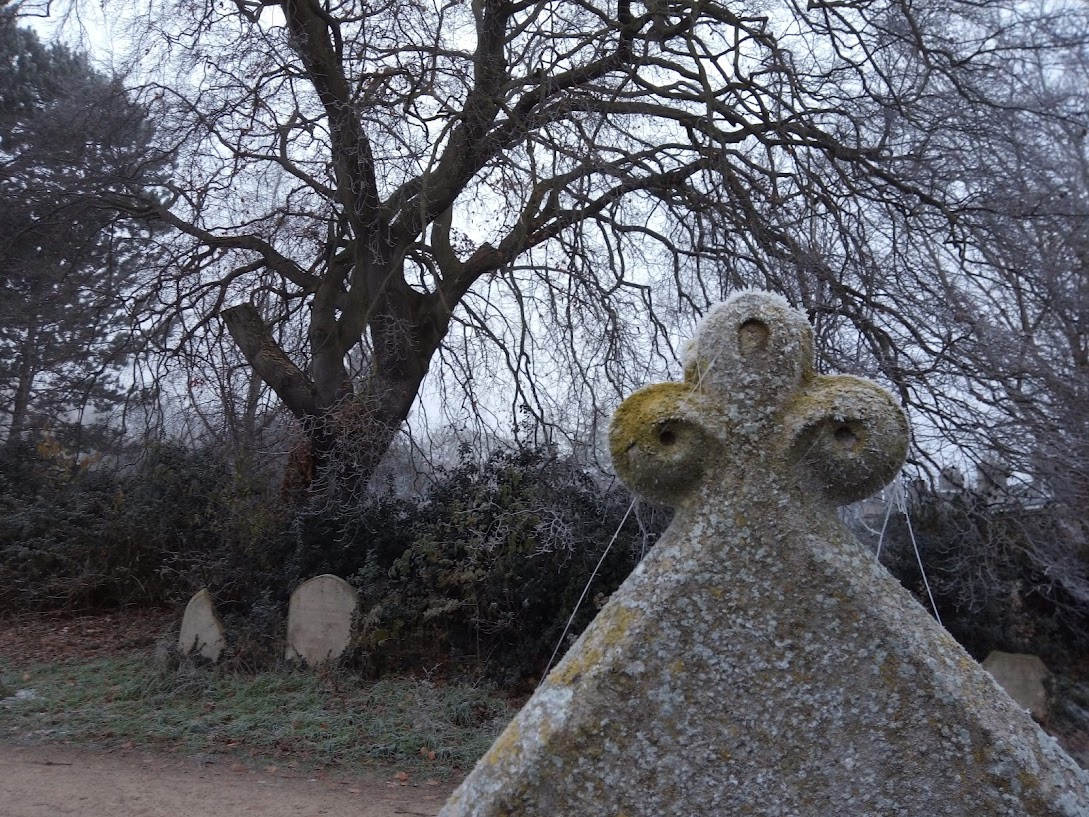
In drear-nighted December,
   Too happy, happy tree,
Thy branches ne'er remember
   Their green felicity

            – Keats, Stanzas
November 15, 2025
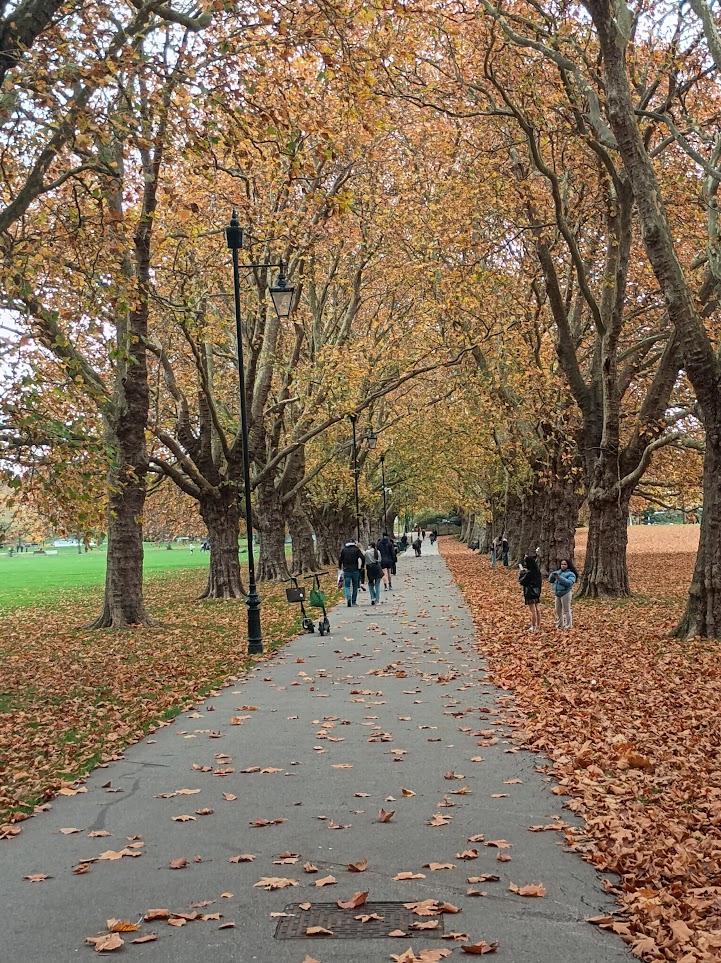
The main avenue at Jesus Green has shed much of its load and is magical in sunlight, but strong winds before the end of the month will strip it bare.
October 19, 2025
Tchaikovsky, The Seasons
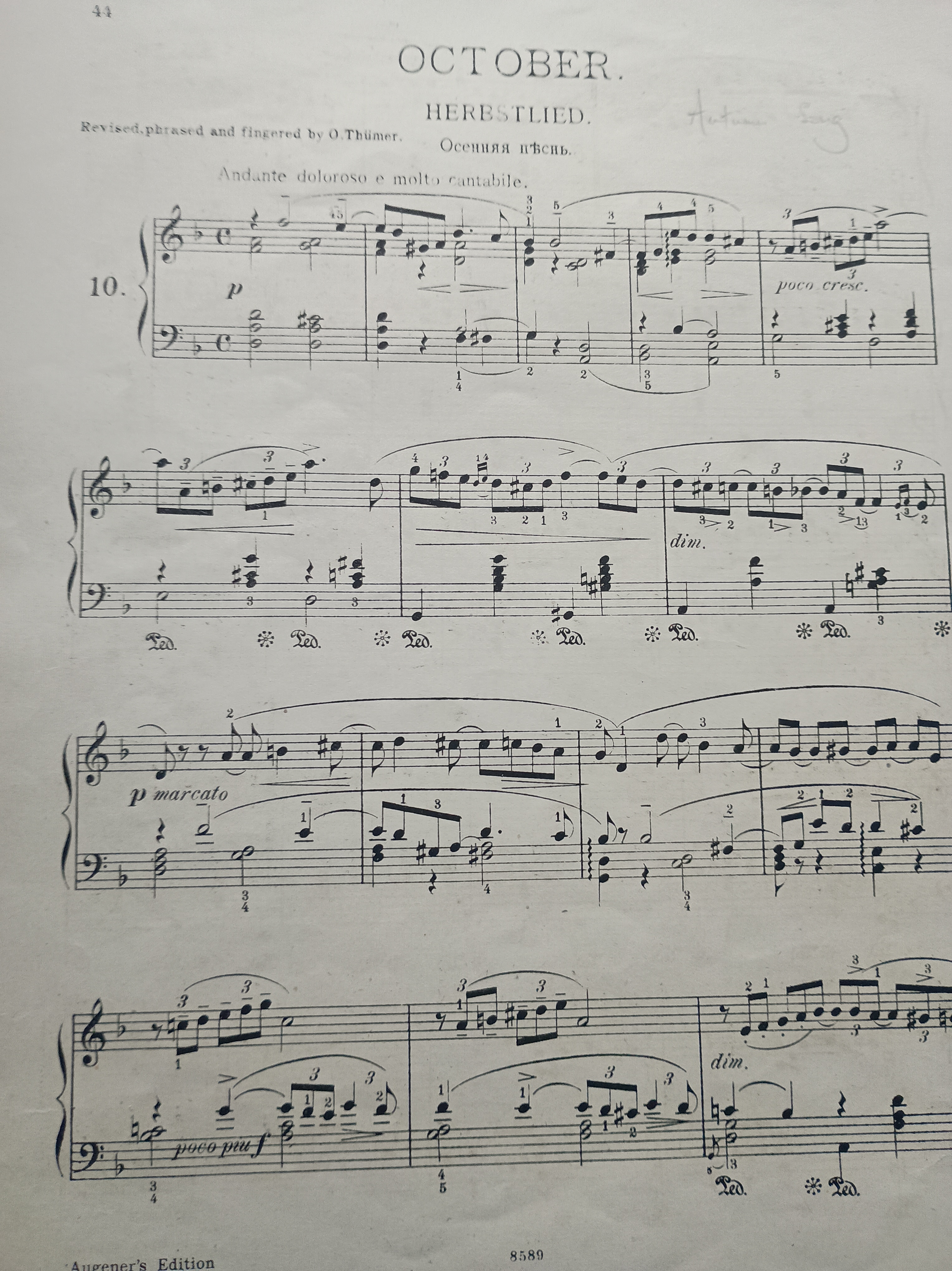
Tchaikovsky’s The Seasons is a suite of piano pieces depicting the months of the year, and October, one of the finest, is typical of the composer in melancholy mood.
September 20, 2025

Here’s a nice view from old Kardamili, the historical part of town. Bit of a climb but worth it. Crumbling ruins, a solid stone church, and a restaurant with a view of the sea. A few welcome spots of rain yesterday, which cleared the air. We’re now in Methoni, in a studio apartment near the castle, and looking forward to meeting our friends who live here. We’re near the end of our trip. We fly home from Kalamata on Wednesday to face the horrors of Stansted.
August 7, 2025
Anglesey Abbey
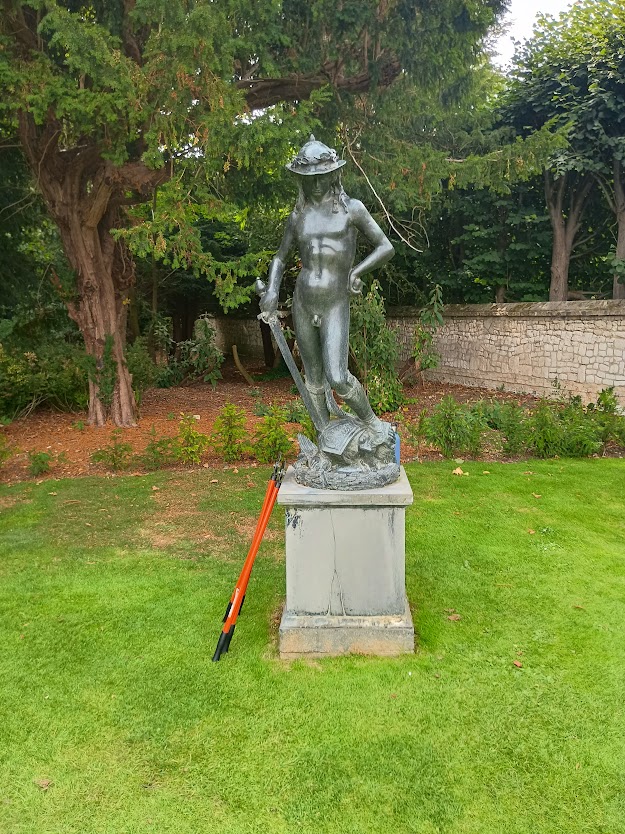
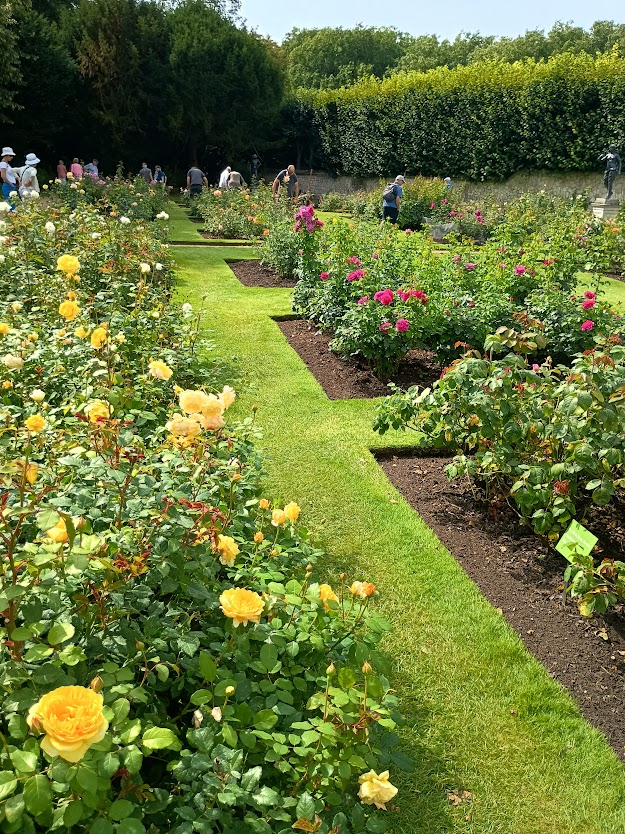
This copy of Donatello’s campy David, with his magnificent unsheathed weapon (‘Fabulosa!’), is one of many striking statues in the grounds of Anglesey Abbey. Yesterday a gardener had left his edging tool propped against it. The rose beds were at their finest too, the most nose-tickling variety created by the horticulturalist Gertrude Jeckyll.
July 24, 2025
Books: Edmund White, A Boy’s Own Story

White died recently and I’ve been rereading his autobiographical trilogy, of which A Boy’s Own Story, the first in the sequence, is his best-known novel, though the two that follow – The Beautiful Room is Empty and The Farewell Symphony – are just as vividly written and compelling. I chose White as the subject of my MA dissertation, in the writing of which I met him. He was living in Paris at the time, though staying in Camden while on a book tour, and I was delighted when he responded to my questionnaire by inviting me to interview him in his temporary home. This was a great coup, since I appended a transcript of the interview to my dissertation, as well as to my book Gay Male Fiction Since Stonewall.
June 11, 2025
Detention: Gary Clarke Company

Detention is the third and final part of of a trilogy of dance theatre works created by Gary Clarke and his company, following Coal and Wasteland. The trilogy portrays Britain in the 1980s, when marginalised communities, under the government of Margaret Thatcher, fought for their rights, livelihoods and existence. There was a pre-show talk on the night we attended – The Making of Detention and Section 28 – in which Neil Bartlett discussed the evolution of the work with Gary Clarke.
Detention is powerful and moving, using movement, lighting and music to dramatic effect. Clarke, who was born in 1980 in a working-class pit village, spent all his early life living under the impact of Section 28, and his dance work draws on extensive research, including LGBT+ logbooks of the time.
May 9, 2025
Constable Country: Dedham to East Bergholt

A lovely walk across the meadows between these two villages with our friend John – a walk that Constable did every weekday as a boy to attend school. John was especially thrilled to see Willy Lott’s cottage, pictured above, which he’d previously painted, not from life but from a image on the web. The cottage stands next to Flatford Mill and appears in several paintings by Constable, notably The Hay Wain.
April 16, 2025
A walk around Clare in Suffolk
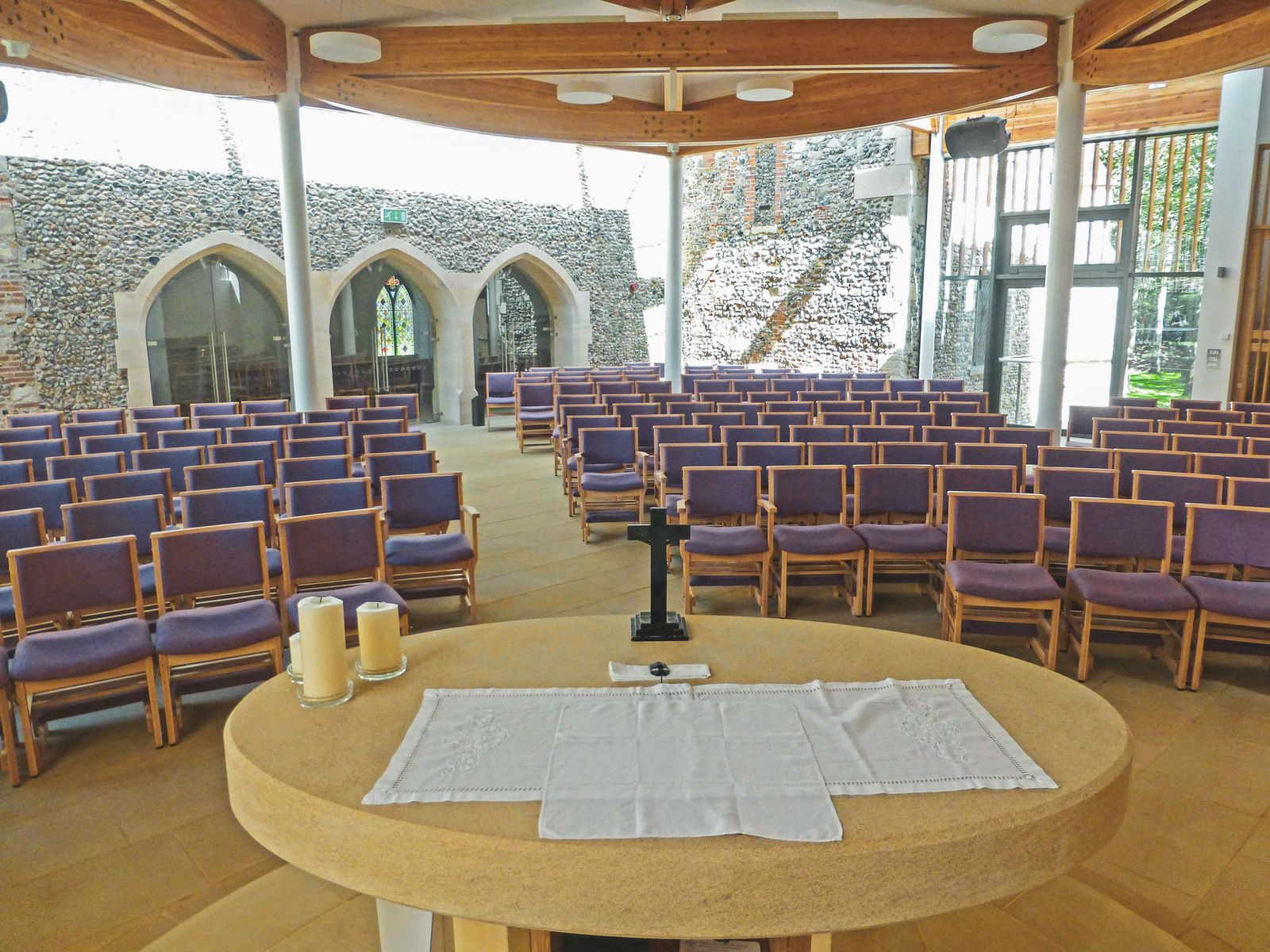
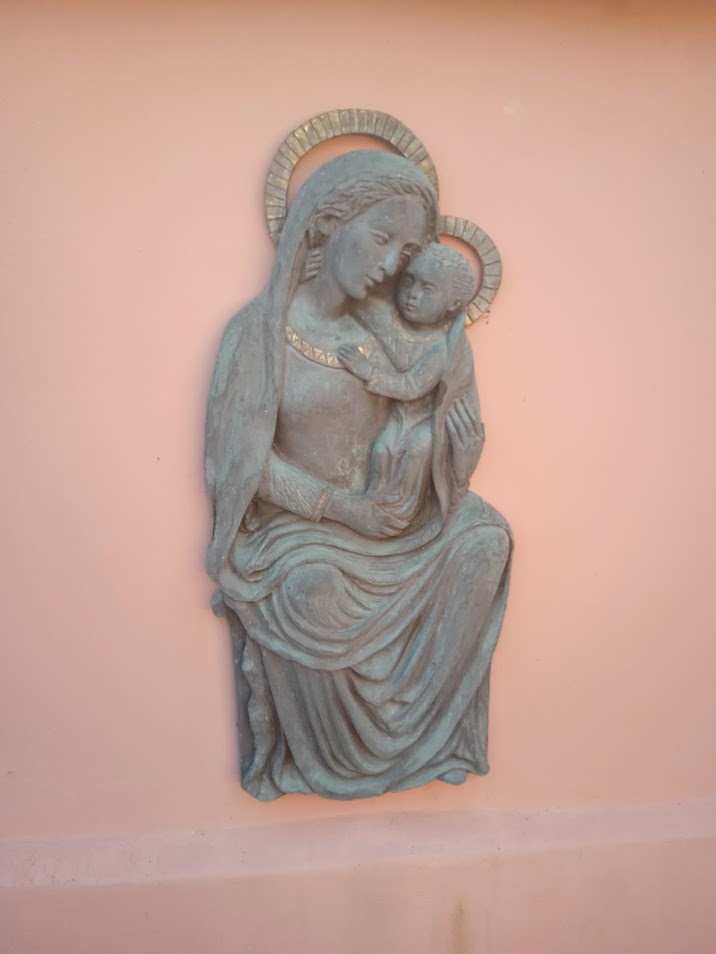
This walk, on a fine spring afternoon, took us from the ruins of the castle at the start of the Stour Valley Trail, through leafy woodland up to a splendid view of the town, and made for a perfect day out with our friend John. Enriched by the wool trade like its neighbours, Clare has a magnificent church and some very grand merchants’ houses decorated with rich pargetting. On arriving back in the town, we crossed the main road to take another look at the Priory, with its handsome new airy chapel, and beside it the old shrine, with its plain wooden chairs and lovely bas-relief of Madonna and Child.

March 10, 2025
Studio Voltaire … again!

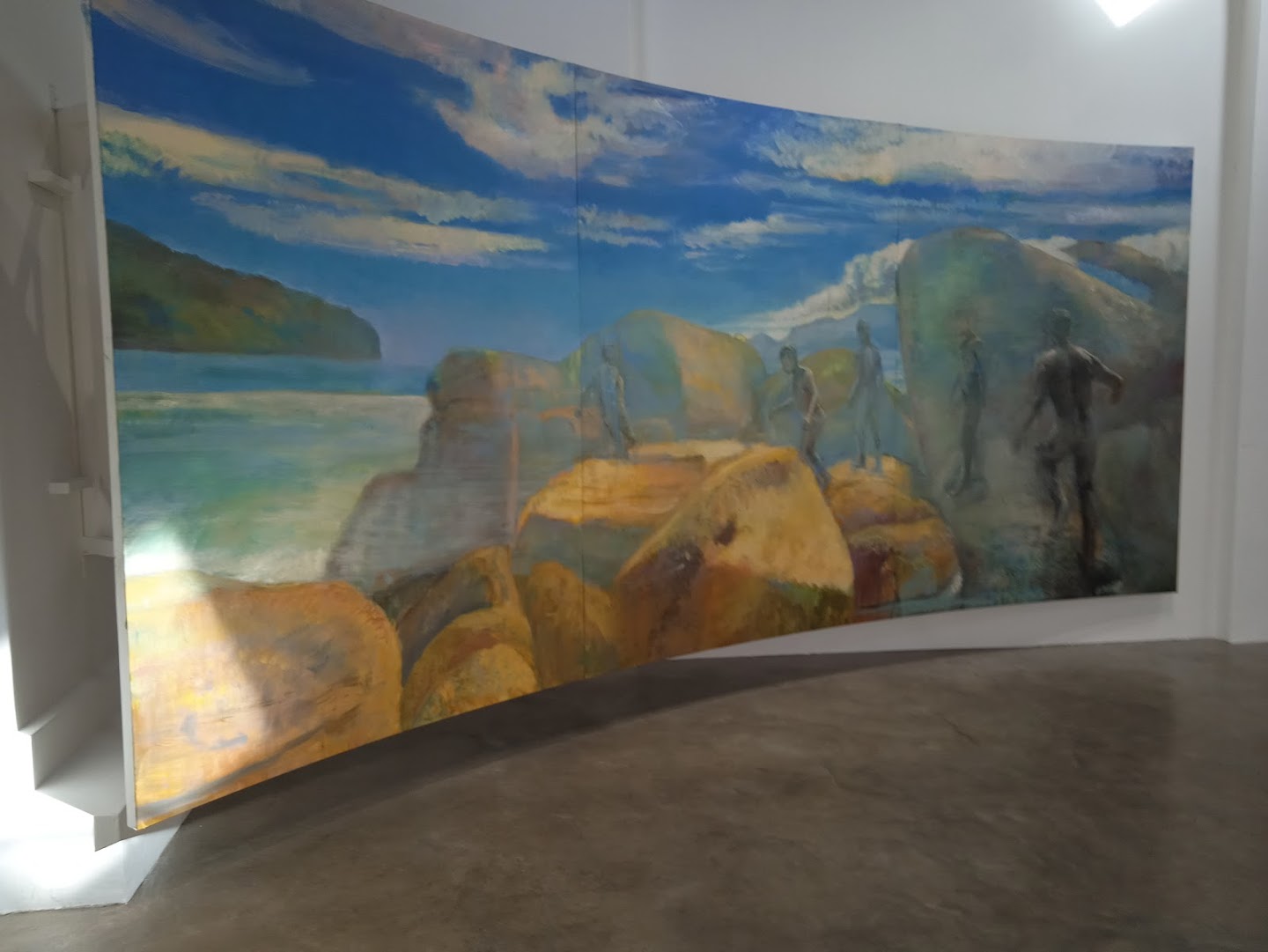
A very different pairing at Studio Voltaire on our second visit. In one room, Documents of the Recent Past, a recreation by Prem Sahib of ‘The backstreet’, a leather haunt which ran for 37 years, becoming the longest running leather bar in London. In another, Under The Same Sky, an exhibition of paintings by Jake Grewal, which aim to create a sense of human fragility and communion with nature. Mysterious nude male figures drift through rugged landscapes and lonely seascapes. The largest painting, shown below, is impressive and displayed on a curve. Well worth a visit.
Studio Voltaire is at 1 Nelson Row, London SW4 7JR.
Leave a comment
February 3, 2025
Midwinter spring is its own season

When the short day is brightest, with frost and fire,
The brief sun flames the ice, on pond and ditches …
– T.S Eliot, Little Gidding
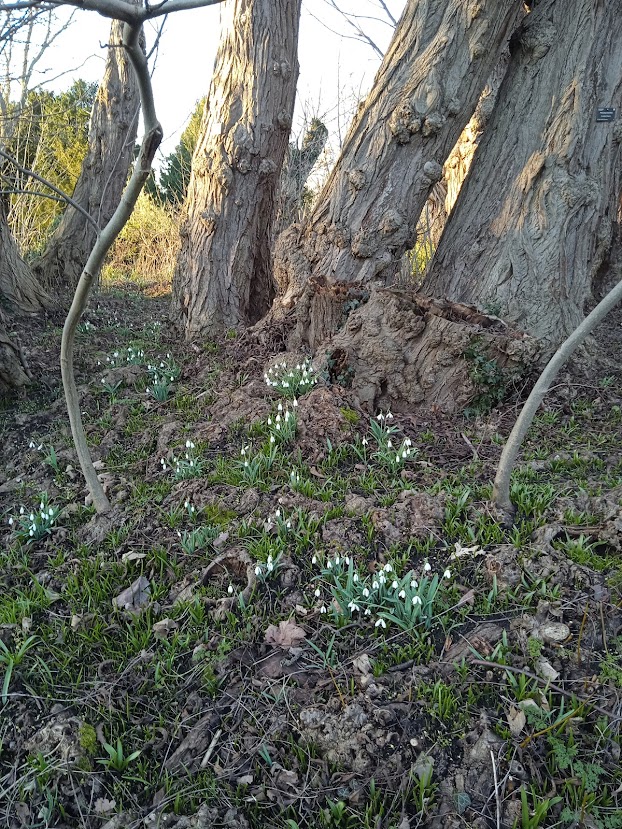
The Cambridge Botanic Garden is twinkling with snowdrops and pink daphne, closed in shaded areas, open in sunlit spots. Ducks glide on the pond between sheets of floating ice, rotting gunnera is stacked in peaks like tepees, and the path to the south gate is fragrant with sweet-smelling box. Aconites cluster under trees or between stones on the rockery, and everything looks crouched and ready for the starting pistol.
January 21, 2025
Books: Jamie O’Neill, Disturbance

As an admirer of O’Neill’s At Swim, Two Boys, I was thrown at first by the absurdist mode of this earlier novel, but a few chapters in I caught the style, rhythm and humour of the writing. Nilus, the teenage narrator, is haunted by the death of his mother and lives with his broken, alcoholic, garlic-chewing father in a rotting, ramshackle house and a gigantic, matt-black jigsaw. The surreal aspects of the story, we soon gather, arise from his attempt to make sense of his nightmare world, a darkness lightened by moments of absurdist humour, especially those involving his Aunt Agnes and Uncle Frank, his neighbour Mrs Houlihan and his priest Father Mulcahy. The clear influence here is Flann O’Brien, whose At Swim-Two-Birds supplied O’Neill with the model and title of his later novel. A treat for fans of O’Brien and modernist writing in general.
December 23, 2024
Queer, Luca Guadagnino’s film of William Burrough’s novel

In Gay Male fiction I write about Burrough’s Naked Lunch, a roller-coaster ride through drug hallucinatory experience, so I wondered how I’d respond to this film adaptation of his novel Queer. In fact, I was surprisingly moved by it. Daniel Craig brings dignity, generosity and a commanding presence to the central role, overshadowing his co-star, Drew Starkey. The film is billed as a romantic drama, and indeed it is a love story, albeit unrequited, so perhaps better described as a search-for-love story. In that context I was reminded of Wilde’s hopeless dependence on Bosie, and of Tchaikovsky’s late infatuation with his nephew. As in Naked Lunch, there are hallucinatory episodes here, some of them horrifying, but the central focus of the film is the love story. Well worth seeing.
October 27, 2024
Robert Holman’s Being Friends at Corpus Playroom
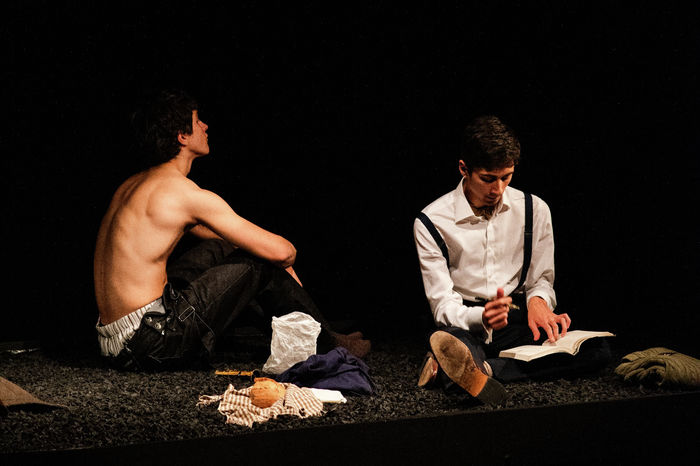
The perfect play for this studio theatre. A one-act two-hander, quiet, intimate, conversational, though set in Britain in 1944 with the drone of bombers overhead. Two young men get to know each other: Oliver, a quaker and conscientious objector, and Eric, an injured artist whose openness about his homosexuality wins the other’s admiration. Their friendship remains one of frank exchange, however, and never becomes physical.
It’s clear to me, despite no mention in the programme, that the play draws on an incident in the life of the writer Denton Welch, a meeting recorded in a story that is essentially a memoir, like all Welch’s writing. The clue is in the reference to Repton, to being bullied at school, to visiting and sketching churches and the cycling accident that caused the injury. The playwright has simply changed the names and some details. Until seeing the play I’d never heard of Robert Holman, but it’s a little gem and prompts me to seek out more of his work.
September 17, 2024
Books: Penelope Fitzgerald At Freddie’s

Drawing on her experience of teaching at a London school for child actors, Fitzgerald paints a wonderfully comic portrait of the Temple School, a ramshackle institution presided over by Freddie Wentworth, a formidable woman inspired by and resembling Lilian Baylis. There’s not much plot – rather, a collection of vignettes, sometimes poignant, sometimes hilarious. Hannah and Pierce, employed as teachers of general subjects, struggle with their awkward relationship – he wants to marry her but she’s already involved with another actor – as well as their alarmingly precocious pupils. Fitzgerald is resolutely unsentimental and the novel ends with everything unresolved, including the fate of poor Jonathan Kemp, the boy actor who decides to use the time while locked out of the school practising his ‘Jump’. Beautifully written, with subtle insight, wit and humour.
August 21, 2024
Books: Edmund White Our Young Man
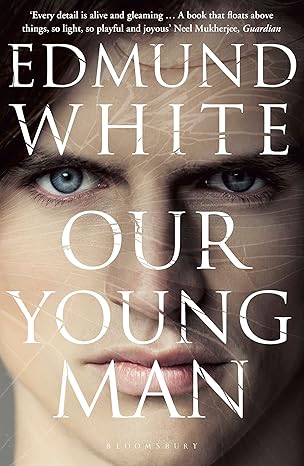
You could argue that the subject here is not Guy, the eponymous French model at the centre, but the fashion industry itself. Much of the novel reads like a comedy of manners, and as such it’s amusing and entertaining, though Guy himself never really engages or gains any depth, and nor do his lovers. Perhaps this is the point, as if White wished to demonstrate the difficulty of creating interest in shallow people drowning in a shallow world. Picaresque and episodic, the story simply fizzles out, as if White had finally run dry.
July 28, 2024
Cambridge Shakespeare Festival 2024: Antony and Cleopatra

My favourite Shakespeare play, written at the peak of his powers immediately after Lear and Macbeth. It has towering characters, great poetry, a stream of brief dramatic scenes, and is unique in his output in combining rich comedy with heartbreaking pathos. The plight of Enobarbus is almost as unbearable for us as for him. With Antony’s death at the end of Act 4, Cleopatra has the whole of the final act to herself, where the issue becomes which way she’ll jump. Will she submit to Caesar or choose the Roman way? The rest is history.
This production had a fine Cleopatra, though not the finest I’ve seen. That was Frances Barber in a production at the Globe. But this actress had passion and conviction, and delivered her lines with ringing clarity. Her Antony was adequate, though there was a lack of chemistry between them. Other actors threw away their best lines, including that heart-wrenching exchange between the Roman Guard and Cleopatra’s dying handmaiden:
‘What work is here! Charmian, is this well done?’
‘It is well done, and fitting for a princess descended from so many royal kings.’
July 19, 2024
Patrick Gale, Mother’s Boy

Here’s a fine novel, a fictionalised biography of Charles Causley, sometimes called Cornwall’s Native Poet and celebrated in the BBC film of the same name. Causley spent most of his life with his mother in Launceston, but in WW2 he joined the navy as a coder and fell in love with his shipmate – or so we infer from his remark that ‘it’s all there in the poetry’. The starting point for Gale seems to have been Angel Hill, that haunting ballad with its hammer-beat refrain of ‘No, never, said I’, in which the speaker is visited by his former lover and denies him.
I heard Causley read his poetry sometime in the 1960s at the old Plymouth Arts Centre, a ramshackle warren in Looe Street full of young bohemians escaping their desk job. And after the reading we took him to the Dolphin pub, another bohemian haunt on the Barbican. Part of the fascination of Gale’s novel for me is that it calls up so many of the place-names I grew up with: Plymouth, Aggie Weston’s, Goodbody’s, the Lion’s Den. So I wrote to Gale about it and was delighted to get a reply. He sounded genuinely pleased to receive my appreciation after a weekend, he wrote, of ‘book pluggery’!
Leave a comment
July 2, 2024
Tom of Finland meets Beryl Cook
at Studio Voltaire
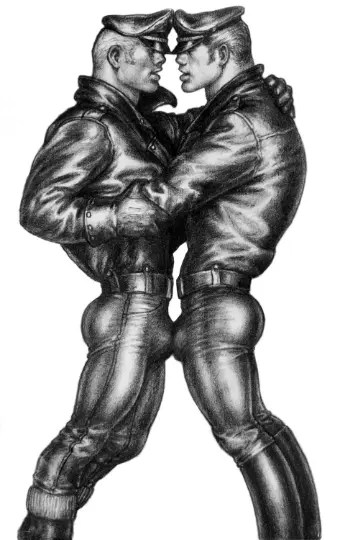

This inspired pairing of Tom and Beryl is brilliantly revealing of how much these two popular artists have in common: their sense of humour, their eye for the grotesque, their love of pleasure and sensuality. Studio Voltaire is a delightful space, too: light and airy, with friendly staff and a pleasant cafe.
I’ve a particular interest in the Beryl Cook painting shown here – Elvira’s Cafe, at the Admiral’s Hard, Stonehouse, Plymouth – as my grandparents had a small general store just a few hundred yards away on the same street. The Hard ends in a jetty from which you can catch a ferry across the Tamar to Cremyll in Cornwall. I have lovely memories of the ferry and the cafe; they’re a vivid part of my childhood.
Studio Voltaire is at 1 Nelson Row, London SW4 7JR.
Leave a comment
Books: Diarmuid Hester, Nothing Ever Just Disappears: seven hidden queer histories

Five years ago, in 2019, Diarmuid Hester knocked on our door. He’d come, by arrangement, to interview me and my partner for a queer audio trail of Cambridge that he was creating. It would be called A Great Recorded History, thereby challenging the notion of the queer past as a vast forgotten territory. So, as long-term residents of Cambridge, we called up our memories of its queer bars, clubs, groups and events, and Diarmuid stored them on a neat handset. It was the start of a valued friendship.
This book, he acknowledges, grew out of that project. It traces the lives of seven remarkable queer artists and activists, and links them to the places where they lived. The famous are here – E.M. Forster, Vera Holme, Josephine Baker, Claude Cahun, James Baldwin – together with the more obscure figures of Jack Smith and Kevin Killian. Diarmuid’s investigations led him to Jersey, Paris, the South of France, New York and San Francisco, and he mixes familiar and less familiar fact with personal history and reflection. All in all, a fascinating read.
Leave a comment
May 7, 2024
Vienna – at last!

I’ve long wanted to visit this city, so it was a great thrill in April to view its extravagant flowering of baroque architecture. Schonbrunn Palace was certainly impressive, even in teeming rain, but our favourite wandering was in the gardens of the Belvedere, which also houses a stunning collection of paintings by Klimt and Schiele.

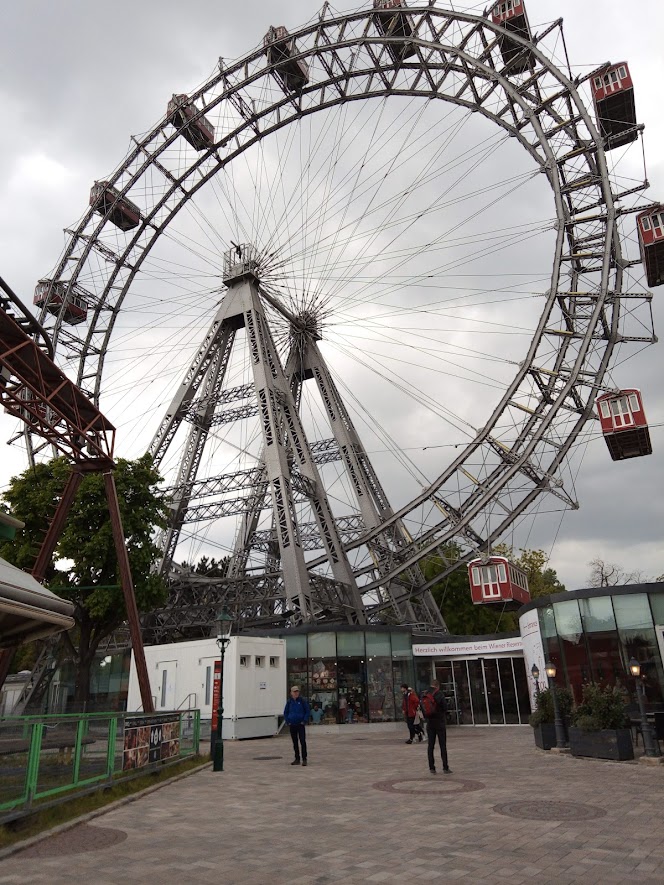
I felt I had to see the famous Ferris wheel in Prater Park that features in the film The Third Man. Of course this fairground ride is also the backdrop to the same dramatic scene in Greene’s novella, a copy of which was in my luggage, though there was little time for reading. The wheel is an extraordinary relic, being composed of railway carriages, though few people were riding it on the chilly day that we visited.
March 14, 2024
Loveliest of Trees
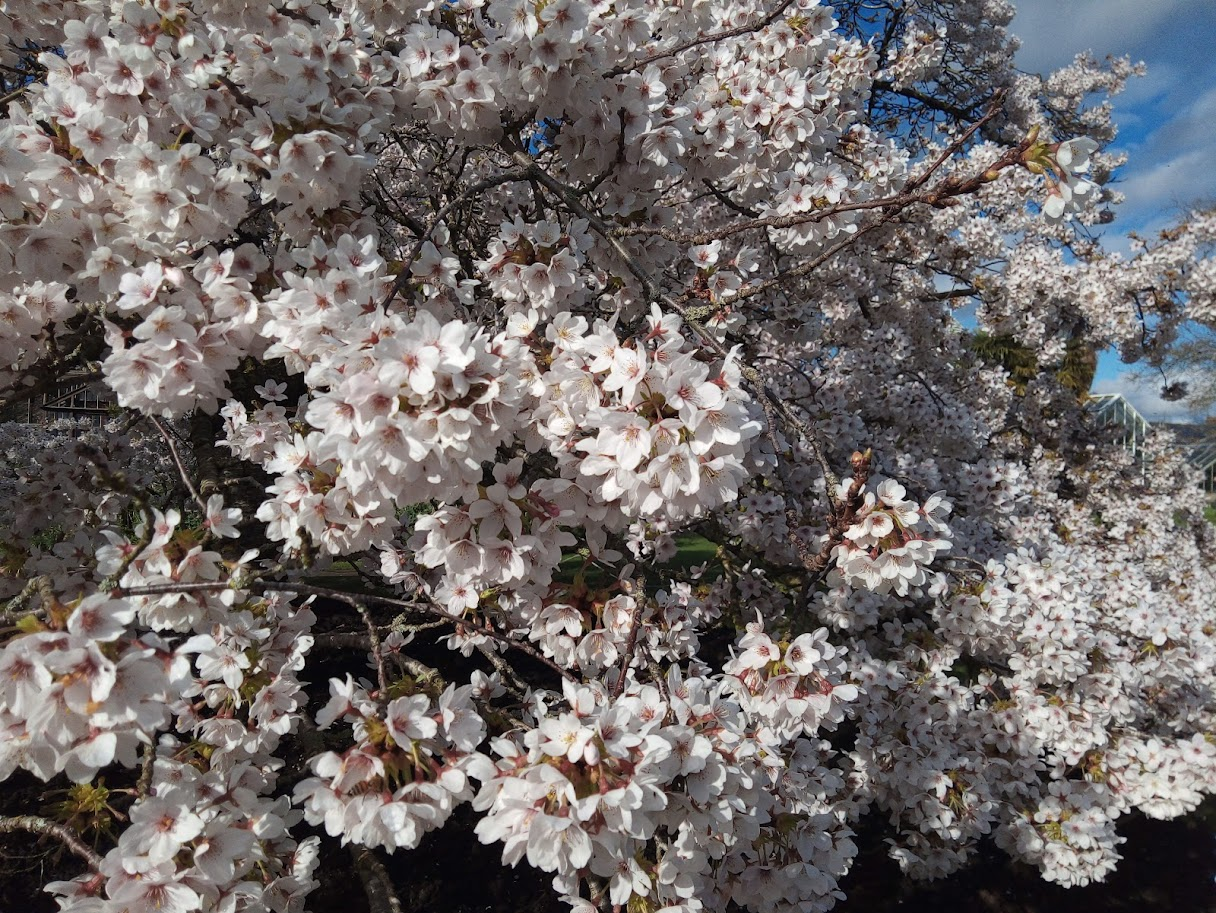
This flowering cherry on the central lawn at Cambridge Botanic Garden attracts camera-wielding visitors every year. So on Thursday I snapped it again and thought of Housman’s poem.
Loveliest of trees, the cherry now
Is hung with bloom along the bough,
And stands about the woodland ride
Wearing white for Eastertide.
Now, of my threescore years and ten,
Twenty will not come again,
And take from seventy springs a score,
It only leaves me fifty more.
And since to look at things in bloom
Fifty springs are little room,
About the woodlands I will go
To see the cherry hung with snow.
March 6, 2024
Books: Thomas Hardy, The Return of the Native
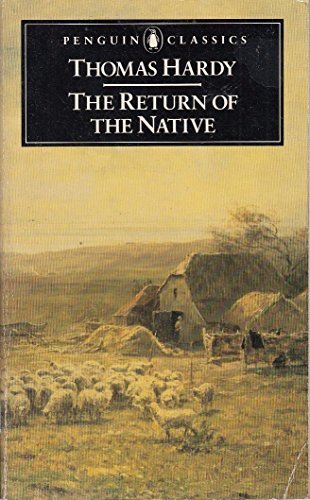
Hardy’s sixth novel is one of his most admired, partly because of its memorable depiction of Egdon Heath, that expanse of wilderness often described as the novel’s central character since it governs all that happens in the story. Clym loves the Heath, Eustachia loathes it. They are Hardy archetypes, drawn to each other yet doomed by this fundamental difference. These three – Clym, Eustachia, the Heath – form the central focus. The other characters aid the plot or act as a chorus to the main action.
The footnote to the penultimate chapter suggests that Hardy would have preferred a different ending, one in which Venn disappears mysteriously and Thomasin remains a widow. This accords with Hardy’s austere outlook. He hints that the constraints of serial publication persuaded him to change his conception, a claim that some commentators find puzzling since Hardy wrote to his publisher at an early stage in the writing that the novel would end with Thomasin’s marriage to Venn. I find the footnote amusing, as well as clearly indicative of Hardy’s preference: ‘Readers can therefore choose between the endings, and those with an austere artistic code can assume the more consistent conclusion to be the true one.’
September 2, 2023
Books: Bruce Duffy, Disaster Was My God
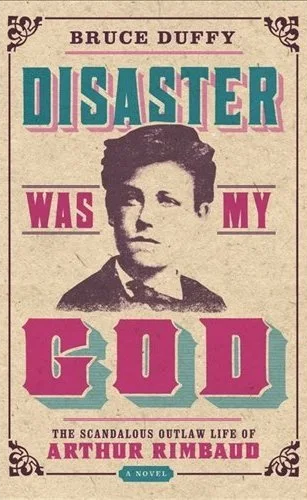
I found this a thoroughly compelling read. But I do think much of the credit has to go to Rimbaud himself for leading a life so extraordinary that even the bald facts are compelling. Most writers, after all, live fairly humdrum lives, and there’s nothing compelling about someone sitting in a study or shed at the bottom of the garden. An obvious exception is of course Byron, and it’s said that more people know about the life of Byron than have ever read a word of his poetry. It’s a strength of this book that it doesn’t ignore the poetry. Duffy is clearly steeped in it and urges the reader to get acquainted with it.
The style of Duffy’s writing is another strength. It’s racy, pacy, often wonderfully concise. I love the expression ‘perfect malevolent innocence’. Duffy makes good use of bald phrases. For instance, ‘Dazed-eyed. Spittle-lipped. Lower teeth jutting.’ And then, ‘Double man. Double sex and double mind.’ I’m not always a fan of verbless sentences. Some writers overuse them. Annie Proulx, for instance. But Duffy uses them sparingly and very effectively. The narrative bounces along and carries the reader with it. I did wonder about the use of some of the language. For instance, ‘Judas! Go screw yourself.’ But then that struck me as an entirely appropriate translation of an expletive that Rimbaud might have used, such as ‘Va au diable!’ Amazing, though, how much more venomous it sounds in French!
The book is justifiably called a novel, but it does mix straight biography and richly imagined real events. I particularly enjoyed the scene in the flight from Harar, where Mrs MacDonald accuses Rimbaud of being a vile gun-runner and he accuses her of being a high-minded hypocrite, since she’s happy to accept his help in rescuing her family from money he’s made from the sale of guns. I suppose it’s inevitable in fiction that an author takes sides, whereas in straight biography the writer is expected to take a more objective view. Verlaine, for instance, comes out of this novel very badly. On the other hand, Duffy stresses his generosity in acknowledging Rimbaud as the greater poet. But Rimbaud, too, given his savage contempt for almost every other poet, is sometimes surprisingly generous in praise of Verlaine. All in all, then, a great read.
April 12, 2022
Just published: my new book, Festival
Editing is never done, is it? But there comes a time when you have to let go. So here are 24 stories of varying length, all of them readable at a sitting and ideal for your coffee break or that moment when you can’t decide whether to catch the late-night news or go to bed. A few have appeared in anthologies published by Cambridge Writers, some as prize-winners, but most have scarcely seen the light of day and long to be read. For a description with readers’ comments see Festival on the menu. Available from Amazon.
July 17, 2021
Books: Virginia Woolf, Between the Acts

I’ve wanted to read this novel ever since visiting Monk’s House, the Woolfs’ home in Sussex, and hearing an actor read from it. He gave his readings beside the garden shed where she wrote it – her ‘room of one’s own’ – and claimed that passages in the novel suggest that the spot he was standing on was the very spot where the pageant in the novel was performed. This also suggests that Monk’s House is the origin of Pointz Hall, described as a modest country house in a small village ‘three hours by train’ from London.
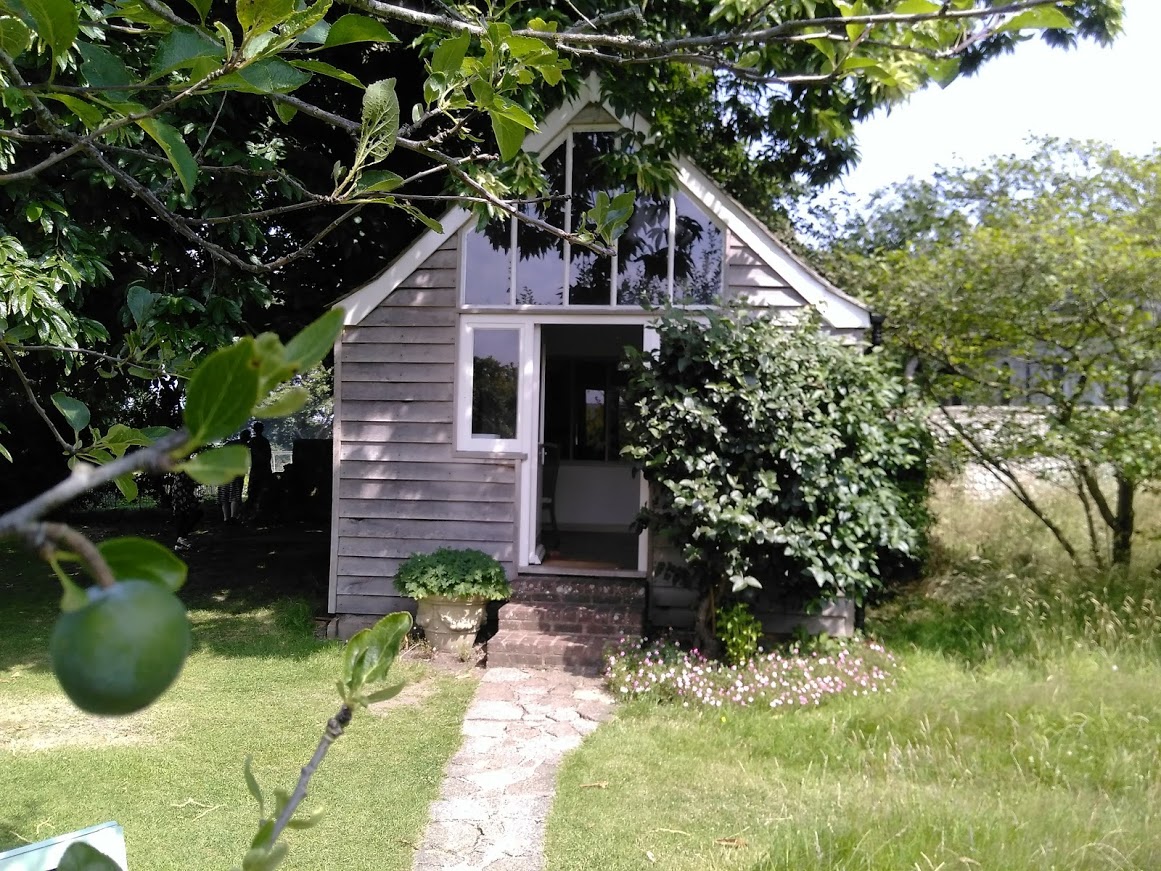
I should start by saying that I’m not an unqualified admirer of Woolf, but I did enjoy this – and a lot more after a second reading.
Quite by accident I read it immediately after reading George Orwell’s novel Coming Up for Air, also set in 1939 in the shadow of the coming war, and in terms of structure and style the two novels could hardly be more different. Orwell’s blunt, no-nonsense approach contrasts strikingly with Woolf’s elusiveness and experimentation.
Yet the two novels do have many points in common. They both have satirical elements and could be described as State of England novels. Both view the coming war with alarm and look to the past. But whereas Orwell is nostalgic for an England that has already all but disappeared, Woolf reaches back much further and is more ambivalent.
Orwell’s novel is essentially a monologue, a diatribe against the modern world by a character called George Bowling who could be seen as a stand-in for Orwell himself. Bowling is an unhappy character, trapped in a dead marriage, who tries to recapture the past by travelling back to the scene of his childhood, only to discover that it has changed beyond recognition and was probably never what he thought it was.
Woolf’s novel, on the other hand, revisits the past through the medium of the pageant, and the audience are finally invited to reassess the late-Victorian era, still within living memory, through the device of having the players hold up mirrors – a ploy that provokes very different reactions, some of them hostile.
But Woolf covers a much longer period of history than Orwell and a wider range of society – wider, it seems to me, than in many of her other novels – and this is surprising because a criticism frequently made of her is that she tends to see the world in her own image. The characters include two that are clearly viewed as marginal – William Dodge, ‘a toady; a lickspittle . . . not a man to have a straightforward love of a woman’, and Miss La Trobe, an eccentric who shares her cottage with another woman, whose energy is admired but whose pageant provokes puzzlement and indignation.
To sum up: Orwell’s view is dour, pessimistic, some readers might say misanthropic, whereas Woolf’s is more finely balanced. Both novels end on an unresolved note. Bowling, after his trip to Lower Binfield, returns disillusioned to renew his conflict with his wife Hilda, and Isabella in Woolf’s novel resumes her love-hate relationship with her stockbroker husband, Giles. I admire both novels, but to me Woolf’s is the richer experience – complex, modernist, and likely to reward many readings.
March 2, 2021
This writing business: some rambling reflections
Last month I finally got round to publishing Small Town Blues, my second and probably last novel. Each was years in the making and at 77 I’m not sure if I have the time or stamina to write another. I’ll go on writing, of course, but in shorter forms: poems, stories, possibly a novella or two. Brevity is an undervalued quality and the novella an underused form – a genre that allows for development while avoiding the ‘bagginess’ that Henry James complained of. ‘The blessed nouvelle,’ he called it.
‘A poem is never finished, only abandoned.’ Same for a novel? So the question is, when to let go? I guess in a pandemic when survival looks chancy? I’m reminded of those writers, Edmund White, Andrew Holleran, Thom Gunn – witnesses to the decimation of whole communities in NY and San Francisco in the 1980s – who rushed to get their AIDS narratives and obituaries out before being chopped down themselves. Sometimes there isn’t scope for pernicketiness. The clock says, Speak Now!
(The British experience of AIDS in the 1980s – so brilliantly captured in the Channel 4 series It’s a Sin – while no less horrifying for those affected, was less catastrophic in scale than that of the USA, and I can’t think of any British writers except Adam Mars-Jones and Oscar Moore who testified from within the eye of the storm, so to speak. Most AIDS writing – like Hollinghurst’s The Line of Beauty and Tóibín’s The Blackwater Lightship – is retrospective.)
Philip Larkin thought the two novels he wrote before he turned to poetry, if ‘not very good’, were nevertheless written with scrupulous care. I think I could reasonably say the same of mine. The effort’s there, whatever the achievement. Besides, ‘every attempt is a wholly new start and a new kind of failure.’ Actually, I’m struck by how much you hold in your head when writing a novel, so that by the end you feel as if your brain will burst. And it’s not just the language; it’s the details that accrue around a character, the specifics of appearance, location, plot. Emma Bovary’s eyes, apparently – though how many of us notice? – change colour several times in the course of the novel. Easy to slip up, then – or leave unplugged holes – and my heart goes out to Raymond Chandler who admitted to a gathering of screenwriters that he didn’t know who killed the chauffeur in The Big Sleep.
‘I am going to take a heroine whom no one but myself will much like,’ wrote Jane Austen of Emma Woodhouse. Likewise, Evan, my central character, is not a vote-winner. He too is arrogant, vain and callow at the start of the novel, but he passes through an arc of self-discovery and by the end has gained, like her, a degree of maturity. In any case, I confess that I’m sceptical about the idea that a central character must be likeable. It suggests a naïve view of fiction. For isn’t there a difference between liking and sympathising? Do we ‘like’ Heathcliff, Becky Sharp, Clarissa Dalloway, Humbert Humbert, Holden Caulfield, Tom Ripley? And doesn’t any sympathy we might have for a character also wax and wane? Pip, ill-used in childhood, becomes, before his change of heart, a snobbish young gentleman. And what about Hedda Gabler? Power-mad lunatic or freedom fighter? Perhaps we recoil from her at first but then inwardly cheer her on? Yeah, go for it, girl!
I started my first novel with no thought of publication; I was simply lost in the creative process, and part of the challenge was to see if I could go the distance. But when I reached the point of fiddling – putting in commas and taking them out again – I wondered what to do with my bundle of words. I could leave them to rot on the computer or make them available to anyone who wanted to read them. Eventually, after some feeble attempts to interest agents and publishers, I decided that self-publication was the route for me. And there’s a living to be made from that, of course; though actually I’m not interested in sales; I’ll settle for a handful of sympathetic readers.
But how to gain even a single reader without some promotion? The worst part of publication is having to plug your novel. Most of us just want to write, yet if we don’t promote, no one, in the welter of fiction now available, knows we’re even there. The professionals, who also have to promote, complain about it too. Pat Barker says that she stopped writing for two years after winning the Booker and simply sat in bookshops signing copies of The Ghost Road. Frankly, I’d have thought that winning the Booker was promotion enough; it certainly puts everyone else in the shade. But isn’t that the downside of prizes: a case of winner takes all? Anyway, not my problem: I’m as far from winning the Booker as becoming Sportsperson of the Year. On the other hand, if you fancy a coming-of-age tale about a cocky young man who gets into trouble, head over to Amazon. And if you’re signed up to Kindle Unlimited, you can read it for free. Paperback available soon. The cover illustration, by the way, is by my partner Phil.
September 16, 2020
Work in progress
After finishing Such Fine Boys, I began work on a new novel (see Blog Hop below). But a novel is a long haul and I sometimes break off to write a short story or poem. I now have a book-length collection of stories, which I’m currently editing for publication. Watch this space!
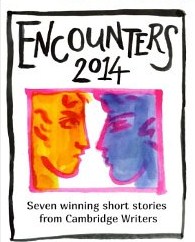
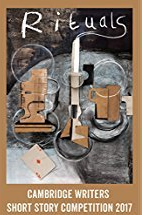
Some of these have been winners in the annual Cambridge Writers Short Story Competition and appear in collections available from Amazon. In 2014, the judge was Jim Kelly, a crime writer from Ely, and the winning stories can be read in Encounters 2014. I was also pleased to get a prize in 2016 and 2017, when the judges were Deborah Mehler, a local author, and Helen Marshall, who teaches Creative Writing at Anglia Ruskin University (see Seven Sins 2016 and Rituals 2017). Since 2018, all entries to the competition, not just the winners, have appeared under titles that reflect the theme for that year – Freedom, Revenge, Mountain – and these too are available from Amazon. Alternatively, you can read some of these stories, including my own, on Cambridge Writers. Simply click on Members and look up the profiles.
Where do I go for inspiration? Well, one of my favourite independent bookshops is Gay’s the Word in London. Conveniently situated at 66 Marchmont Street, just a short distance from King’s Cross, it’s a great place to drop in and browse on your way to the British Museum or into town. The staff are always friendly and the range of books is wide, covering every genre of queer literature. But it’s more than a bookshop, of course; for many it’s a community, a refuge and a lifeline.

I am grateful, too, for the support I’ve had from Gay Authors Workshop, a London-based association of lesbians and gay men who are poets, dramatists and fiction writers, and delighted that a story of mine has now been published in the latest anthology from this group, A Boxful of Ideas.
August 6, 2019
Bones of Contention: an occasional series
(3) Point of View
Is this the biggest bugbear of the lot? Are you irritated, like me, by readers who raise an eyebrow at any change of viewpoint? By those who say, “I was just getting interested in Kate when Hugh poked his nose in”? Or worse: “The whole thing should be told from Harry’s viewpoint”? Perhaps you feel like retorting, as Ian McEwan did to Philip Roth in another context, “But that’s the novel you would write; it’s not the novel I want to write.”
Which is not to say there are no issues here. Point of view is a daunting topic to which reams of literary theory have been devoted, and blame for this is often laid at the feet of Henry James, the author credited with promulgating the idea of the “commanding centre” or “controlling intelligence”. But James, it seems, is misrepresented; he was not interested in issuing “laws” of fiction. The real culprit, it’s said, is Percy Lubbock, a Jamesian critic who took it upon himself to interpret the Master’s ideas in a prescriptive way. Lubbock’s axioms particularly annoyed Forster who, in “Aspects of the Novel”, argues that everything depends on the writer’s ability, in his famous phrase, to “bounce” the reader into acceptance. And Forster’s rebellion is now general; few writers now subscribe to the “old rules”, a shift attributed to many factors: to the influence of cinema, of literary modernism, to the theory of relativity, to the world as revealed by twentieth-century physics and quantum theory. Like Blake, the modern writer seems to deplore “single vision”.
But is that the end of the matter? Do we now believe that “anything goes”? Some critics say, with regret, that we do; that in our rush to abandon the old rules we have slung out the baby with the bath water. They argue that it’s acceptable to change viewpoint if there are good reasons to do so, but not if the change is wanton, careless or in violation of the logic of narrative. Multiple viewpoints, they claim, particularly when they occur within a scene, or worse, within a paragraph, confuse the reader through loss of focus. James himself, without laying down rules, writes that he can see “no breaking up of the register … that doesn’t rather scatter and weaken”.
And yet, and yet, and yet … do we underestimate the reader? Think of what we cope with on television or in the cinema, where long stretches of narrative pass without a hint as to who or what we’re watching. And think of the loss if writers abandoned multiple viewpoint. How would Stephen King write at all? Or David Hewson, who claims that he wrote his first three books, all bestselling crime novels, without being aware that an issue called “point of view” even existed? Think, too, of Clarissa Dalloway’s party, where the viewpoint passes from guest to guest in a brilliant panorama that would be sadly reduced, would shrink to tunnel vision, if the viewpoint were confined to the hostess. Something similar happens at the Ramsay’s dinner party on Skye. James was after a particular aesthetic effect, but fiction is surely a broad church, and Woolf’s use of multiple viewpoint does not, in my view, scatter and weaken. Rather, it opens up and enhances.
I apologise for the length of this. I’m going to take a break now, but I’ll be back when the bug bites; this is an “occasional” series, after all. Meanwhile, please share your own thoughts, on this or any other topic.
June 29, 2019
Bones of Contention: an occasional series
(2) Show don’t tell
I’ve been thoroughly irritated by this advice ever since an agent accused me of ignoring it. It seems to me a neat formula trotted out blithely. So I want to examine and challenge it. First, is the distinction between showing and telling as clear as this maxim suggests? We might concede that we see a kind of distinction here, but is it easily spotted? Showing is surely a form of telling and vice versa; the two blend almost imperceptibly. Open any piece of fiction and I guarantee you will find long passages where the line between showing and telling is blurred almost to the point of invisibility.
But even if we grant the distinction, is telling always to be avoided? Clearly most writers don’t think so. Again, open any piece of fiction. I suppose we might agree that direct speech is stronger than reported speech, but aren’t there occasions, even here, when the latter, for the sake of stylistic variation, is preferable? David Lodge goes further and suggests that telling can be used very effectively as the main mode in a narrative: “The summary narrative method seems to suit our modern taste for irony, pace and pithiness” (The Art of Fiction, Chapter 27). Moreover, as he argues, without an element of telling a novel could become interminable, or its effects ruined (see his previous chapter on Fielding’s expert use of summary).
Yet without going that far, some fiction clearly suffers from too much showing. I have a suspicion that this is what the English critic James Wood had in mind when he accused Zadie Smith’s fiction (which in general he admires) of “hysterical realism”. He applies the term to writing that “knows a thousand things but does not know a single human being” – a remark that reminds me of Virginia Woolf’s criticism, in her essay “Modern Fiction”, of writing that is bang-on in every detail but somehow misses the essence.
So I was delighted when a tutor on a writing course, after telling us to inscribe the maxim in capitals at the head of our notes, then instructed us to strike it through. I told him that I had always thought the adage needed reformulating. He said he agreed and we swapped revised versions that turned out to be quite similar. I forget his, but here’s mine: “Show when appropriate, tell when appropriate.”
Next time: Point of View.
May 30, 2019
Bones of Contention: an occcasional series
(1) Write about what you know
I’ve long thought of writing a series of pieces on contentious issues in writing. So I’ll begin with the above. For me, the problem here is the suggestion that we should confine ourselves to writing about what we’ve actually experienced. But surely much of what we “know” comes to us through our imagination. If we were to confine ourselves to the former there would be no historical fiction, no fantasy and a huge reduction in crime fiction. The loss of the first might suit some, but would be unfair to the likes of Hilary Mantel, Marguerite Yourcenar, Guiseppe de Lampedusa, while the lopping of crime fiction, which might bring some benefits, could rob us of fine novels by P.D. James, Raymond Chandler and Dostoevsky. I’ve no idea what these writers “knew”, but I’m willing to bet that many crime novelists have never so much as seen a corpse, much less committed or investigated a murder.
Shakespeare, a jobbing actor-dramatist from Stratford, wrote about war, kingship, a struggle in fairyland. Emily Brontë, stranded in a remote vicarage with a doll for a boyfriend, wrote about immortal love and ghosts that “walk” the Yorkshire moors. Franz Kafka, an obscure insurance clerk, wrote about the horror of waking to find yourself transformed into a giant insect. Of course, you might say that they still wrote from personal experience; they simply projected that experience through figments of their imagination. But wouldn’t they have found the injunction to write about what they knew – with the implication “had experienced at first hand” – rather inhibiting? Thank God there was no one around to counsel them in their day.
Nevertheless I see where the advice comes from: some writing strays too far. The problem comes when imagination fails to match experience; when writers lie about characters or bungle what they don’t understand; when readers find themselves saying “But she wouldn’t do that!” or perhaps “Beautifully written, but I don’t believe a word of it.” How does Oliver, raised in a den of thieves, retain his sweet innocence? How indeed does James’s Maisie, surrounded by corrupt adults? Is it likely that the otherwise flawlessly embodied Becky Sharp would murder Jos Sedley for his money? In my view, then, we should not be urged to write about what we know, but rather about what our imaginations can encompass.
If you have any thoughts on this, please share them. Next time: Show Don’t Tell.
May 30, 2019
Blog Hop
My thanks to David Franks for inviting me to take part in this Blog Hop. His fiction focuses on relationships, sometimes in historical settings, and his post from last week is here.
What am I working on?
When not diverted into shorter forms, I press on with my second novel. This began with the idea of reworking Madame Bovary in a contemporary gay setting, though it quickly broke away from its origins and assumed a life of its own. My Emma character is called Evan, and though he shares some characteristics with Flaubert’s creation he’s altogether his own person, to the extent that I don’t know how he’ll develop. This is all to the good from my point of view because I don’t like to know where my fiction will lead me. Hence, like many writers, I’m reluctant to say much about it until I’m ready to publish.
How does my work differ from others of its genre?
To which genre does it belong? I can think of several, but I suppose the most obvious is queer fiction. Of course, queer fiction now divides into subgenres – crime, thriller, romance, historical, etc. – thus adding another layer of complication. However, I tend to write without any thought of genre. My novel Such Fine Boys is a love story, so I suppose it could be filed under ‘romance’, though I think that would give a false view of it. The work of Michael Cunningham, Alan Hollinghurst, Colm Tóibín and Edmund White gives some indication of the kind of fiction to which it aspires, though the voice, I hope, is my own. Structurally, it splits into four parts and moves from first- to third-person narration via several viewpoints. However, its main distinctive feature, I’d say, is its voice.
Why do I write what I do?
I like the notion of finding an ‘objective correlative’. This rather daunting literary term, popularised and developed by T.S. Eliot in his essay ‘Hamlet and his Problems’, refers to the process by which we invent – or perhaps discover – characters and situations to express – or objectify – our personal experience. Isn’t this why we tell stories? In telling stories we find symbols for our own deepest compulsions; and this is why all writing, in my view, is autobiographical. The characters and events may be wildly remote from us, but we couldn’t write about them if we didn’t feel some deep personal connection.
How does my writing process work?
I sit at my computer from eight in the morning until mid-afternoon. If I’m writing fiction, I start at the beginning and progress line by line, often with little idea about what will come next. I polish every paragraph until it attains a satisfactory shape. This means that I never write more than a few hundred words a day, but for me it’s the only way. I’ve tried writing at speed and then shaping a mass of raw material, but I simply can’t rid myself of the itch to polish as I go along. In the end it comes down to hard work. Arnold Bennett, however, was too harsh when he said he’d rather break rocks; I love writing and none of us would do it if we didn’t feel compelled. Even so, terms such as ‘inspiration’ and ‘writer’s block’ bother me. It’s not the terms themselves – they denote states that do exist – but rather the way they are used to mystify the creative process and sometimes to justify laziness. Certainly there’s a mystery to writing, but it shouldn’t become a fetish.
September
October 19,2025
Tchaikovsky, The Seasons
Tchaikovsky’s The Seasons is a suite of piano pieces depicting the months of the year, and October, one of the finest, is typical of the composer in melancholy mood.
January, 2026
February 23, 2026
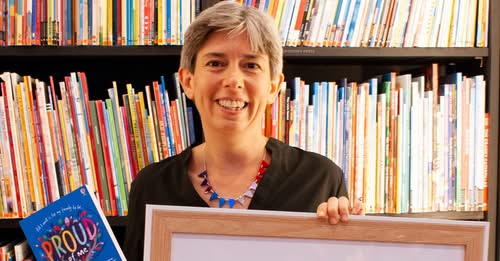
 Les Brookes
Leave a comment